
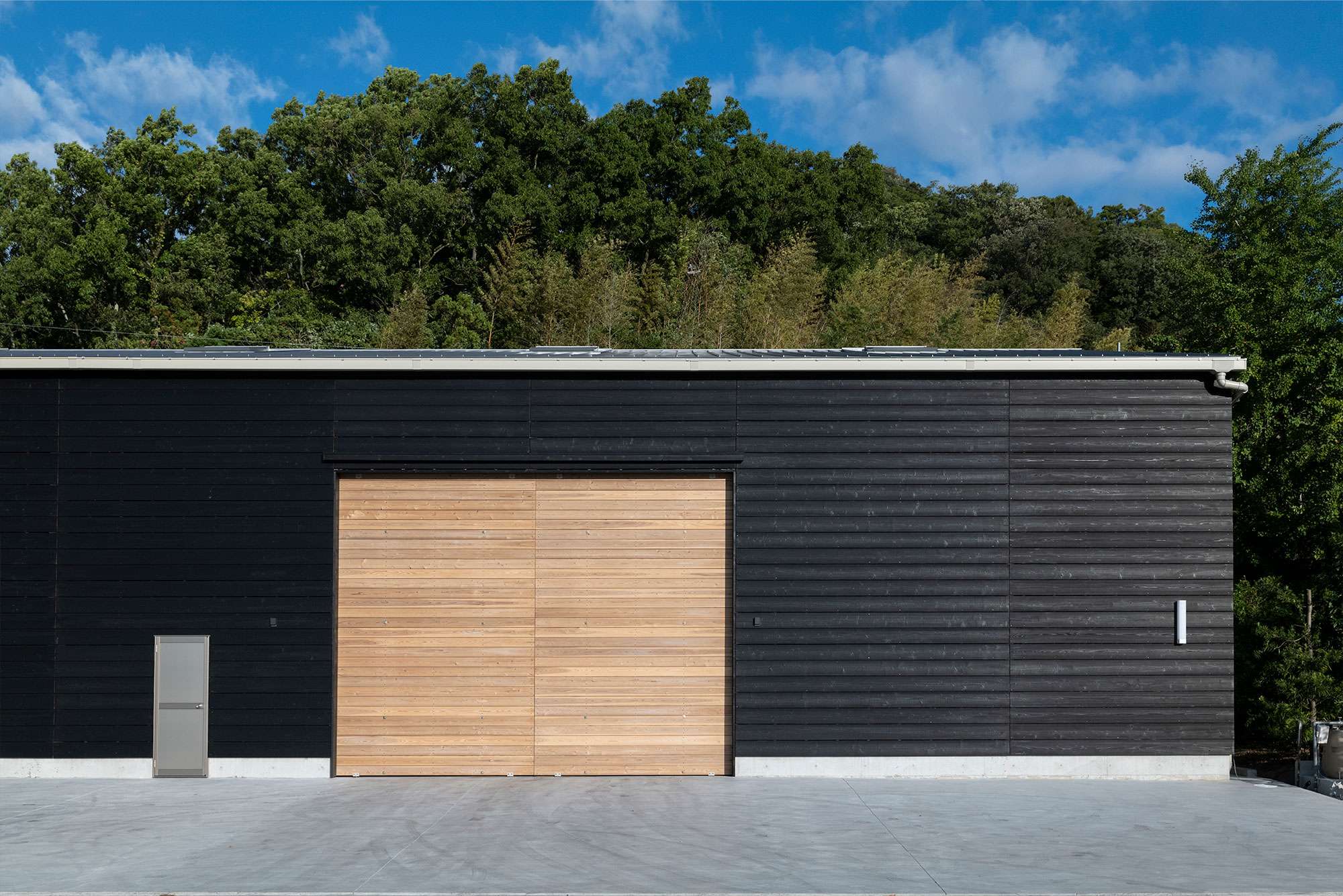
Using Shou Sugi Ban in Residential and Commercial Design
Shou Sugi Ban, also known as Yakisugi, is a traditional Japanese timber finishing technique that has found renewed relevance in contemporary architecture. Through the controlled charring of timber, the material develops a distinctive surface that offers visual depth and practical performance.
Across residential and commercial projects, Shou Sugi Ban is increasingly specified not as a decorative feature, but as an architectural material system. Its applications range from external cladding and feature facades to interior wall linings and detailed architectural elements. Understanding how and why it is used across different contexts allows designers to apply the material more thoughtfully and effectively.
Key Takeaways
- Shou Sugi Ban is a charred timber material that offers both visual depth and long term performance rather than a surface coating.
- Architects use Shou Sugi Ban in residential and commercial projects for its texture, durability and ability to age naturally.
- The material works well for exterior cladding and interior features when detailed correctly and integrated into a broader material palette.
- Thoughtful specification and installation allow Shou Sugi Ban to perform reliably across Australian climates and design contexts.
Understanding Shou Sugi Ban as an Architectural Material
At its core, Shou Sugi Ban is created by charring the surface of timber, traditionally Japanese cedar, before cooling, brushing, and finishing the boards. This process alters the timber at a surface level, creating a carbonised layer that changes both its appearance and behaviour.
The resulting material has a tactile, textured surface with visible grain definition and tonal variation. Depending on the level of charring and finishing, Shou Sugi Ban can range from deeply carbonised black to softer, brushed finishes that retain the character of the underlying timber. These variations are evident across curated material ranges such as the Sumii Yakisugi collection, where finish depth and surface expression are key considerations.
Importantly, Shou Sugi Ban is not a coating applied to timber. It is a transformation of the surface itself, which is why its performance and ageing characteristics differ from painted or stained finishes.
Why Architects Specify Shou Sugi Ban
Architects and designers are drawn to Shou Sugi Ban for its ability to balance aesthetic expression with material performance. It offers a natural, restrained alternative to more uniform cladding materials while still delivering consistency at a system level.
Key reasons it is specified include:
- Its strong visual identity, with texture and depth that respond well to changing light
- The way it ages naturally over time, developing character rather than deterioration
- Its ability to sit comfortably within both contemporary and traditional architectural languages
- The opportunity to use timber in applications where durability and longevity are required
Rather than dominating a design, Shou Sugi Ban often works as a grounding material, providing contrast and material richness without unnecessary ornamentation.
Residential Applications of Shou Sugi Ban
In residential architecture, Shou Sugi Ban is often used to create a strong relationship between the building and its environment. Its natural origins and subdued tones allow it to sit comfortably within landscaped, coastal, or rural settings, while still supporting refined architectural outcomes.
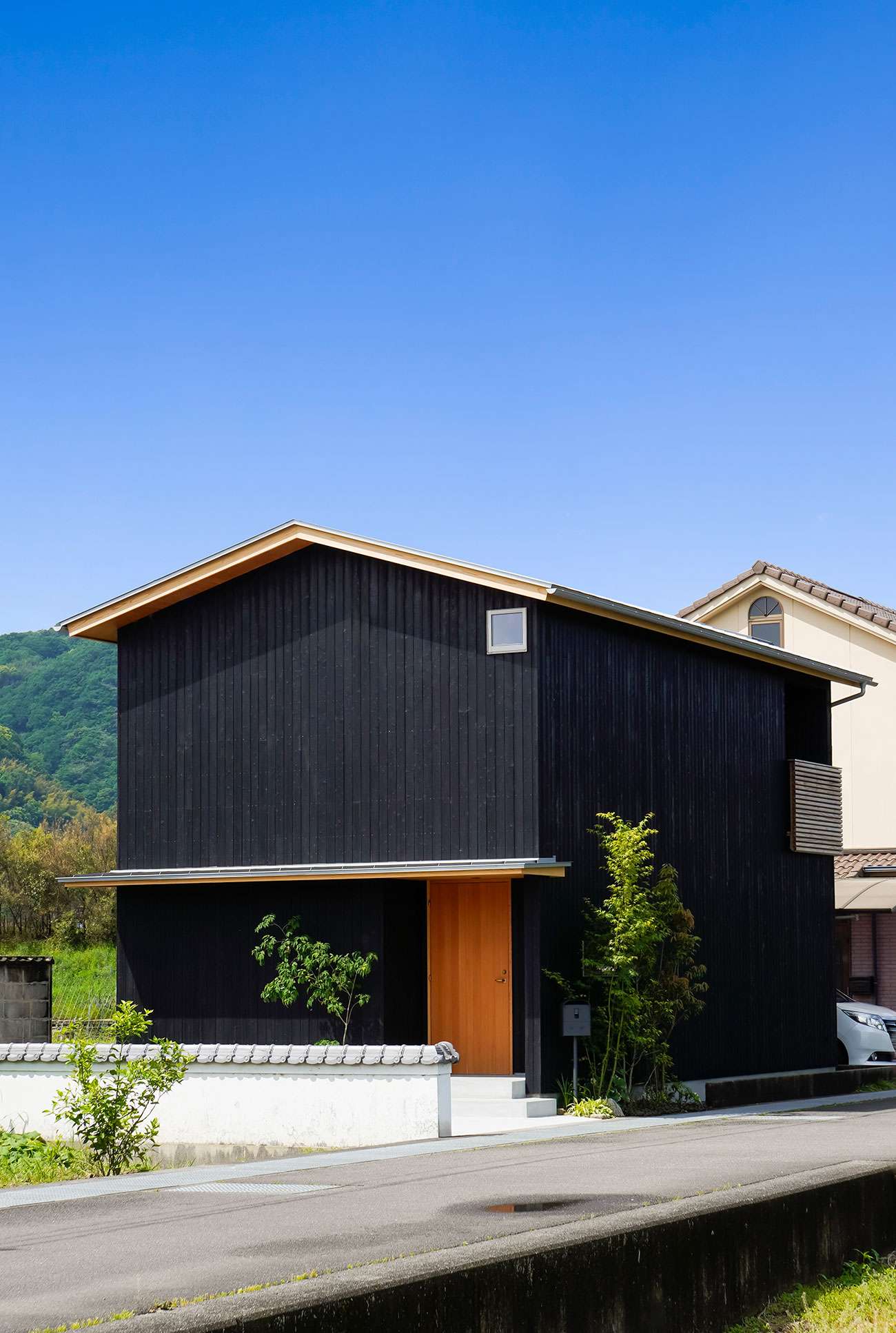
Residential applications commonly include external cladding, feature elements, and internal wall linings. The material can be used across an entire facade or applied selectively to highlight specific architectural forms.
Because residential projects often involve closer human interaction with materials, texture and tactility become especially important. Shou Sugi Ban’s surface variation adds interest at both a distance and close range.
Exterior Applications in Residential Design
Externally, Shou Sugi Ban is frequently used as a primary cladding material for houses and multi-residential projects. Its visual weight allows it to anchor a building within its site, particularly in exposed or open landscapes.
Designers often consider how the material will weather over time, allowing it to evolve alongside the surrounding environment. Finishes such as Hakuu Natural are sometimes specified where a softer, more understated timber expression is desired while still retaining the characteristics of Yakisugi.
Externally applied Shou Sugi Ban also works well in combination with other materials such as concrete, masonry, or steel, providing balance between natural and industrial elements.
Interior Applications in Residential Spaces
Inside residential projects, Shou Sugi Ban is most often used as a feature rather than a dominant finish. Interior applications typically focus on creating contrast, texture, and a sense of material authenticity.
Common interior uses include:
- Feature walls in living spaces or entry zones
- Vertical wall linings that introduce texture without visual clutter
- Architectural elements such as stair walls or joinery surrounds
When used internally, Shou Sugi Ban often pairs with lighter finishes such as plaster, stone, or pale timbers. This contrast allows the material to stand out while maintaining a calm and considered interior atmosphere.
Commercial Applications of Shou Sugi Ban
Commercial projects lean on Shou Sugi Ban to establish identity and material presence. Its distinct surface and natural variation make it well suited to projects where the building itself contributes to brand or experience.
Commercial applications include external facades, entry statements, and interior wall linings in hospitality, retail, and office environments. In these contexts, the material often plays a dual role, offering both visual impact and durability.
Because commercial projects typically involve larger scales, careful detailing and system consistency are critical. Shou Sugi Ban is often specified as part of a broader facade system rather than as an isolated material choice.
Shou Sugi Ban in High-Traffic Commercial Spaces
In public and high-traffic environments, material selection must consider long-term performance as well as appearance. Shou Sugi Ban can be appropriate in these settings when its characteristics are well understood and detailing is handled correctly.
Design considerations in high-traffic commercial spaces include:
- Surface durability and how the finish responds to touch and wear
- Maintenance expectations over time
- The way light and movement interact with textured surfaces
- Integration with lighting, signage, and other architectural elements
In hospitality and retail projects, Shou Sugi Ban is often used to create atmosphere and spatial definition without relying on applied finishes or decorative treatments.
Material Performance and Longevity Across Applications
One of the defining characteristics of Shou Sugi Ban is how it ages. Rather than fading uniformly, the surface develops a patina that reflects environmental exposure and use.
In exterior applications, weathering is influenced by orientation, climate, and detailing. In interior settings, ageing tends to be slower and more subtle, often resulting in a softening of the surface rather than visible change.
Understanding these behaviours allows designers to specify the material with realistic expectations and to communicate clearly with clients about long-term appearance.
Detailing and Installation Considerations
As with any architectural material, the performance of Shou Sugi Ban is closely tied to how it is detailed and installed. Successful applications rely on appropriate fixing methods, allowance for movement, and proper ventilation where required.
Junctions, edges, and interfaces with other materials require careful consideration to maintain both visual quality and durability. In facade applications, rainscreen principles are often applied to support moisture management and long-term performance.
Installation should always be carried out by experienced trades familiar with the specific characteristics of charred timber systems.
Integrating Shou Sugi Ban into a Broader Material Palette
Shou Sugi Ban works best when considered as part of a wider material strategy. Its depth and texture allow it to complement a range of materials without overwhelming the overall design.
It is commonly paired with concrete for contrast, steel for precision, and glass to introduce lightness. These combinations allow Shou Sugi Ban to act as a grounding element within the composition.
By limiting the number of competing materials, designers can allow the natural qualities of the timber to be fully expressed.
Shou Sugi Ban in the Australian Context
Australian architecture presents unique challenges, including varied climates, intense light, and diverse landscapes. Shou Sugi Ban has proven adaptable across these conditions when specified appropriately.
Its use in contemporary Australian projects reflects a broader interest in natural materials, longevity, and restrained architectural expression. When detailed with local conditions in mind, the material can support both performance and aesthetic goals.
Applying Shou Sugi Ban Thoughtfully in Design
Shou Sugi Ban earns its place in both residential and commercial architecture. Its applications extend beyond surface appearance, influencing how buildings age, perform, and connect with their surroundings.
By understanding how the material behaves across different contexts, designers can apply it deliberately instead of chasing a trend. Specified and detailed properly, Shou Sugi Ban performs for decades across a wide range of projects.