Shou Sugi Ban Cladding: Authentic Japanese Yakisugi, Delivered Australia-Wide

Studio Tsukuru supplies authentic Japanese shou sugi ban cladding, charred sugi imported direct from a mill that has practised the craft since 1974. This is the real article: genuine Japanese cedar (sugi, Cryptomeria japonica), flame-charred in Japan, then finished and delivered across Australia. Where most local suppliers char Australian hardwood and call it shou sugi ban, we import the timber the technique was built for. That distinction is the whole point, and it is what you see, and feel, in the finished wall.

Modern coastal house featuring Yakisugi a.k.a Shou Sugi Ban charred Japanese cedar cladding overlooking the ocean.

Shou Sugi Ban Cladding: Authentic Japanese Yakisugi, Delivered Australia-Wide

Studio Tsukuru supplies authentic Japanese shou sugi ban cladding, charred sugi imported direct from a mill that has practised the craft since 1974. This is the real article: genuine Japanese cedar (sugi, Cryptomeria japonica), flame-charred in Japan, then finished and delivered across Australia. Where most local suppliers char Australian hardwood and call it shou sugi ban, we import the timber the technique was built for. That distinction is the whole point, and it is what you see, and feel, in the finished wall.
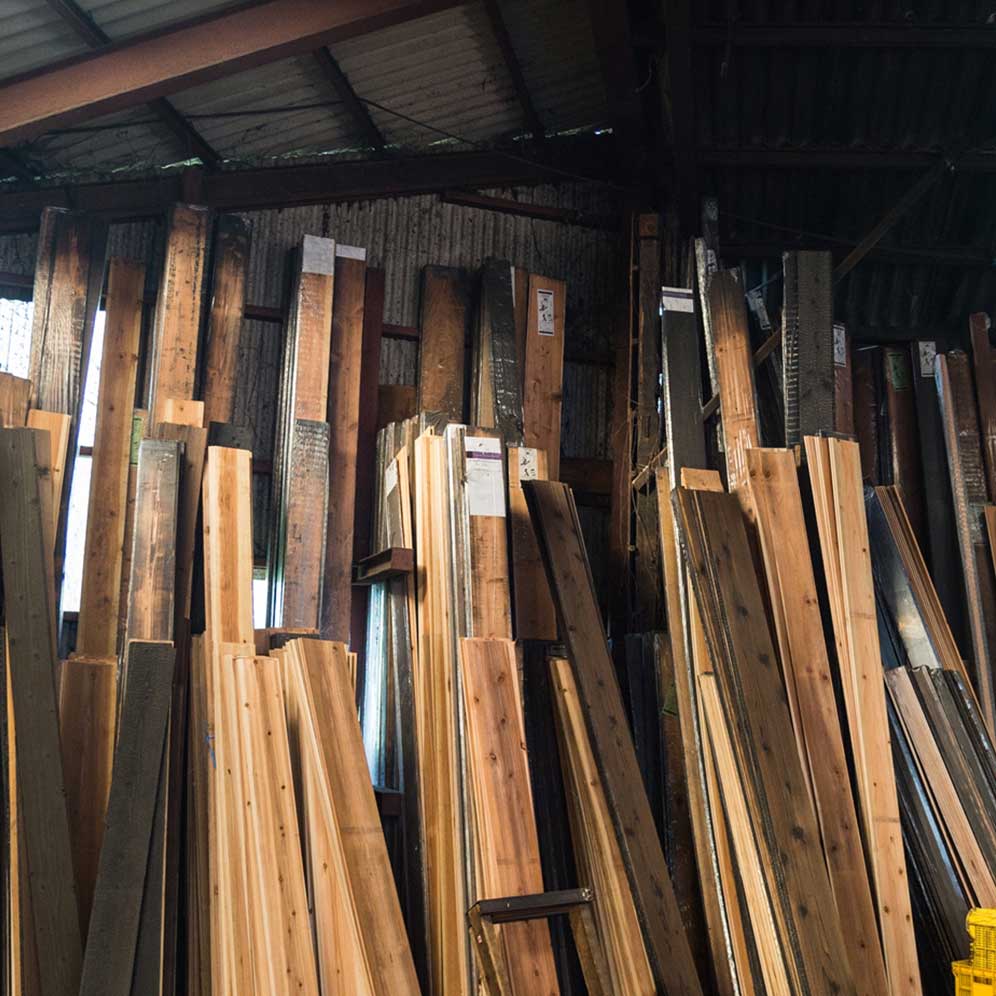
ShouSugiBan Cladding Boards Japan workshop

Authentic Japanese sugi, not charred Australian hardwood

Shou sugi ban (also written yakisugi) is a centuries-old Japanese method of preserving timber by charring its surface. The technique was developed for sugi, a light, dimensionally stable softwood whose open grain takes the char beautifully and weathers with grace. Charred timber cladding made from dense Australian hardwood is a different product entirely: heavier, harder to work, and without the deep, even blackened-timber surface that genuine sugi produces.

Studio Tsukuru imports its sugi from a Japanese mill in continuous operation since 1974. The timber is PEFC-certified and Goho Wood certified under Japan’s Clean Wood Act, so the chain of custody is documented from forest to facade. When an architect or builder specifies shou sugi ban wood from us, they are getting the material, the method and the provenance together. Much of the charred cladding sold in Australia is local hardwood charred here, or a composite made to imitate the look. Ours is Japanese sugi, charred in Japan.

Three charred cladding finishes

Every board is finished in one of three ranges, and custom colour-matching is available across all three.

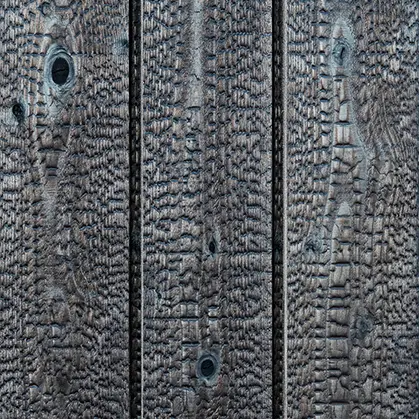
•Hakuu is the deep black char: a traditional, unglazed yakisugi look with a textured carbon surface that reads as true charred cladding.

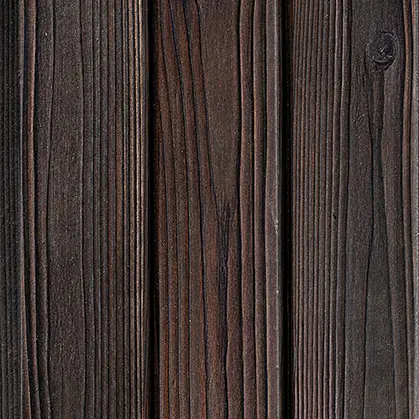
•Benii is light-brushed, drawing out the timber grain beneath a softer black tone for a more tactile, contemporary blackened-timber finish.

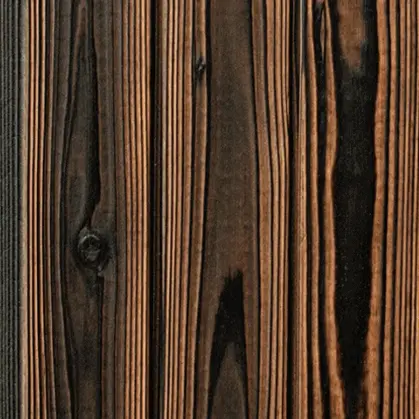
•Sumii is hard-brushed and available in custom coated colours, including Sahara, Mocha, Drift and Dune, for projects that want warmth alongside the charred texture.

Whether you want the starkness of traditional Japanese yakisugi or a brushed, coloured surface, the three finishes cover residential and commercial facades alike.

Specifications

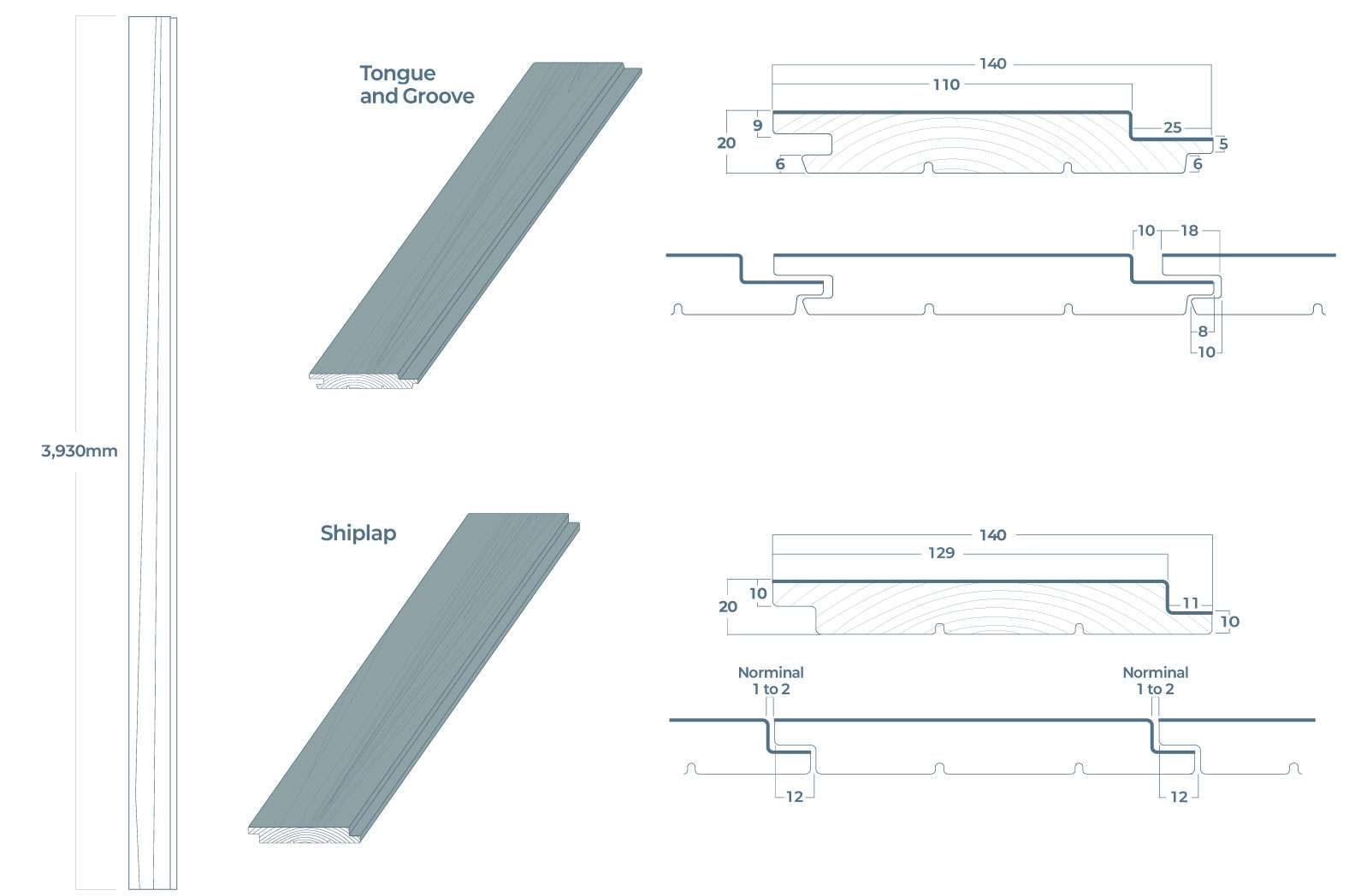
Technical section drawing showing the profile dimensions of Yakisugi a.k.a Shou Sugi Ban Japanese cedar cladding board.

Our boards are supplied in two profiles, tongue and groove or shiplap. Species, thickness and length are the same across both; only the cover width differs:

  • Species: Cryptomeria japonica (Japanese cedar / sugi), density 350 to 420 kg/m3
  • Board width: 140mm total. Cover width 122mm for tongue and groove, 129mm for shiplap. Use the cover width for take-off, not the 140mm face.
  • Thickness: 21mm
  • Length: 3,930mm
  • Moisture content: 14% or lower at installation

The low density that makes sugi easy to handle and quick to install is the same property that gives genuine shou sugi ban its character. It is a cladding board, designed and milled for the wall.

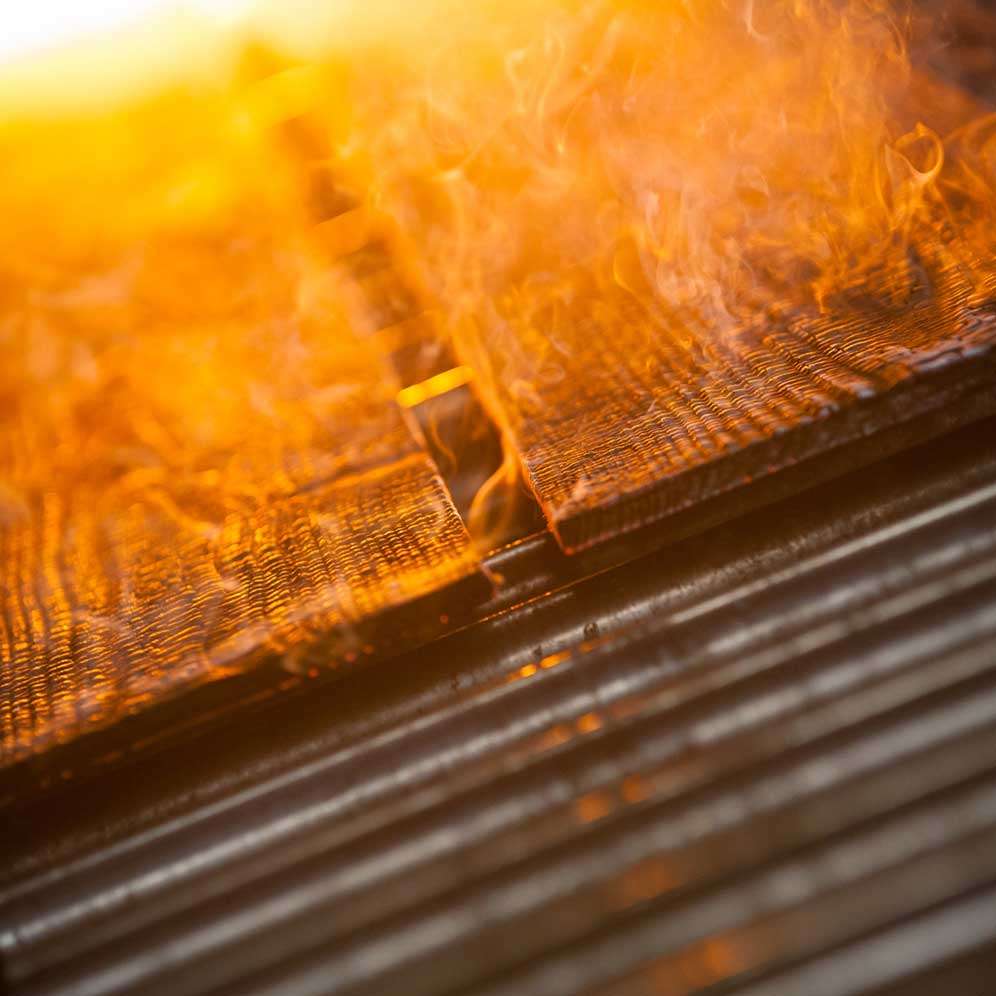
Flames and smoke over textured surface Shou Sugi Ban Board

BAL and bushfire guidance

In bushfire-prone areas, AS 3959 sets construction requirements by Bushfire Attack Level (BAL):

  • BAL-LOW: no construction requirements.
  • BAL-12.5 and BAL-19: our boards must start at least 400 mm above the ground and above any deck, veranda, carport roof, awning or similar surface, with a compliant material such as fibre-cement at least 6 mm thick below that line. Joints must be backed with breathable sarking or mesh, and vents, weepholes and other gaps need corrosion-resistant steel, bronze or aluminium mesh with openings of 2 mm or less.
  • BAL-29, BAL-40 and Flame Zone: the whole wall is regulated and our sugi cladding is not among the options the Standard lists, so we do not supply at these levels.

The char is a surface layer only. Always confirm your BAL specification with your building designer or certifier, and we are happy to talk through wall build-ups for your project.

Yakisugi Timber Product 10years warranty

10-year warranty

Studio Tsukuru cladding carries a 10-year manufacturer’s limited warranty covering delamination and structural failure. The warranty is transferable, which matters for resale and for commercial handover. It is void if the installation guidelines are not followed, so the build-up and fixing detail matter as much as the board itself.

Yakisugi Fastening

Fasteners

We recommend stainless steel fasteners: A2 for inland sites, A4 for coastal exposure. Refer to technical documentation for spacing and pull-out values. Final fastener specification is the builder or architect’s responsibility, set against the substrate and exposure of the particular job.

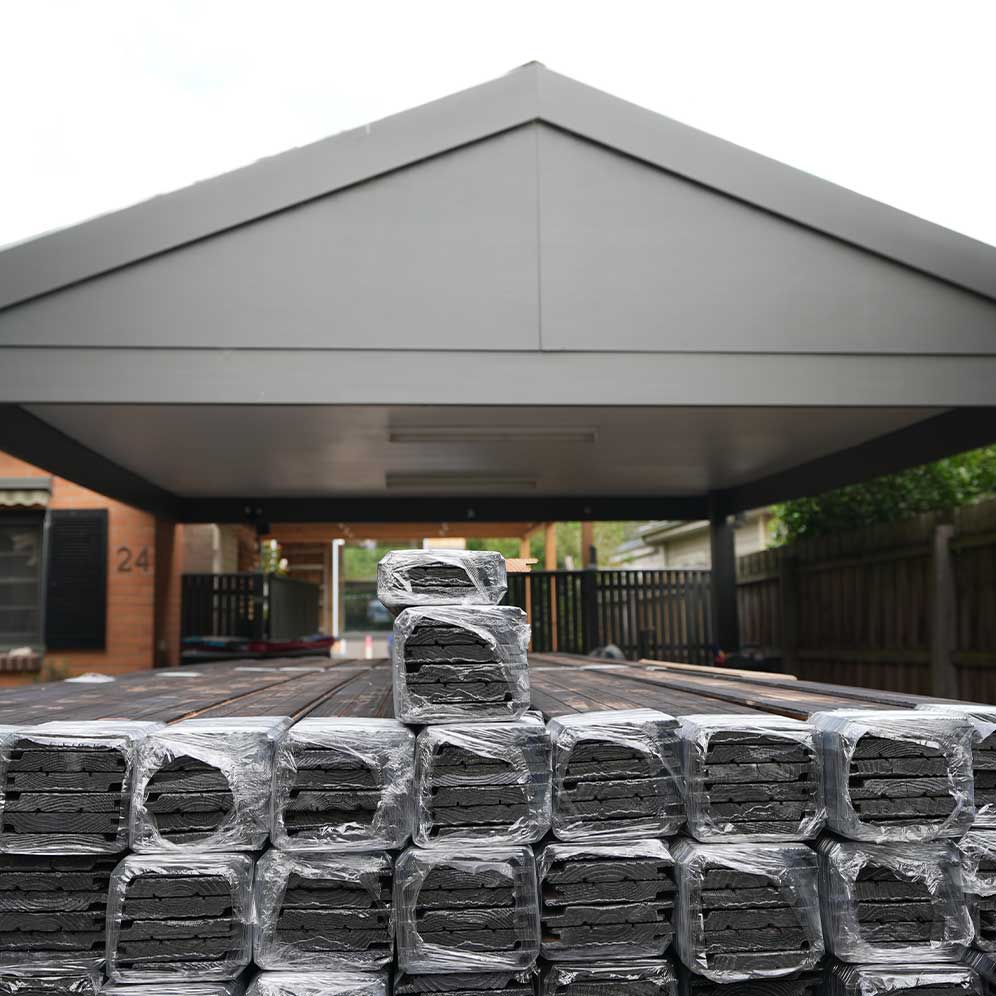
Shou Sugi Ban Delivery and stacked

Delivered Australia-wide

Studio Tsukuru is based in Knoxfield, Victoria, and delivers nationally. We supply residential and commercial projects right across the country. If your project is in NSW, see our shou sugi ban cladding for Sydney and NSW, which covers delivery times, the NSW bushfire requirements and coastal maintenance. Wherever the site, you receive the same imported Japanese sugi, the same three finishes and the same documented provenance.

Frequently asked questions

In principle any timber can be charred, but the technique was developed for Japanese sugi (Cryptomeria japonica) and that is the species it suits best. Sugi’s light, open grain chars deeply and evenly and remains dimensionally stable. Denser hardwoods char less consistently and are heavier to handle, which is why authentic yakisugi has always been made from sugi.

Genuine shou sugi ban needs correct detailing to perform: the right wall build-up, appropriate fasteners and an installation that follows the guidelines, or the warranty is void. Uncoated Hakuu Natural can leave char on hands and clothing during handling, so wear gloves when installing; brushed and coated finishes do not. On bushfire-prone sites we do not supply for BAL-29 or above. At BAL-12.5 and BAL-19 our boards must start at least 400 mm above the ground and above any deck, veranda, carport roof, awning or similar low-pitched surface, with a compliant material such as fibre-cement at least 6 mm thick below that line. None of these is a flaw in the timber, but they are reasons to specify and install it properly.

On uncoated Hakuu Natural the charred surface is the weather face and can be left to weather. On brushed and coated finishes the Rubio WoodCream coating does the water-shedding and UV work and is recoated by brush about every five years, or every three years on harsh coastal or high-UV sites, with no sanding. Our cladding also carries a 10-year manufacturer’s limited warranty against delamination and structural failure. Actual service life depends on detailing, exposure and maintenance.

They are two readings of the same Japanese characters for the same craft: charring sugi to preserve it. “Yakisugi” is the reading used in Japan, while “shou sugi ban” became the common term in English-speaking markets. There is no difference in the product. At Studio Tsukuru both words describe authentic Japanese charred sugi cladding.

See the char in person. Request samples of Hakuu, Benii and Sumii, or get a quote for your project, and we will help you specify the right finish and wall build-up for your site. Call 0401 270 818, email contact@studiotsukuru.com.au, or request samples or get a quote today. Authentic Japanese shou sugi ban cladding, delivered Australia-wide.

No. The cladding bans target aluminium composite panels with combustible cores, not solid timber. Timber cladding is assessed under the National Construction Code and AS 3959 for the building class and the Bushfire Attack Level of the site. We do not supply for BAL-29 or above. At BAL-12.5 and BAL-19 our boards must start at least 400 mm above the ground and above any deck, veranda, carport roof, awning or similar low-pitched surface, with a compliant material such as fibre-cement at least 6 mm thick below that line. Confirm the requirements for your project with your certifier, and send us your plans if you would like to talk it through.

Studio Tsukuru supplies sugi cladding charred in Japan, held in Knoxfield, Victoria, and delivered by pallet Australia-wide. Sample packs of four boards are $99 inc GST, currently on pre-order with dispatch expected in November 2026. Request samples or a quote through our contact page and we will help you specify the right finish and wall build-up.

Studio Tsukuru shou sugi ban cladding is priced from $26.40 to $38.50 per lineal metre inc GST ($24 to $35 ex GST), depending on the finish. Laid horizontally at 122 mm tongue and groove cover, that is roughly $216 to $316 per square metre before waste and freight. Freight is quoted per pallet, and sample packs are $99 inc GST.

That depends on what you compare it with. Genuine charred sugi arrives as a finished cladding, with the surface treatment done before it reaches site, and correctly detailed boards are covered by a 10-year limited warranty against delamination and structural failure. Order a $99 sample pack and compare it in your own light with the stained or composite alternative you are pricing.

Uncoated Hakuu Natural needs no scheduled recoat and can be left to weather. Coated boards in any range are recoated with Rubio WoodCream by brush roughly every five years, or every three years on harsh coastal or high-UV sites, with no sanding.